
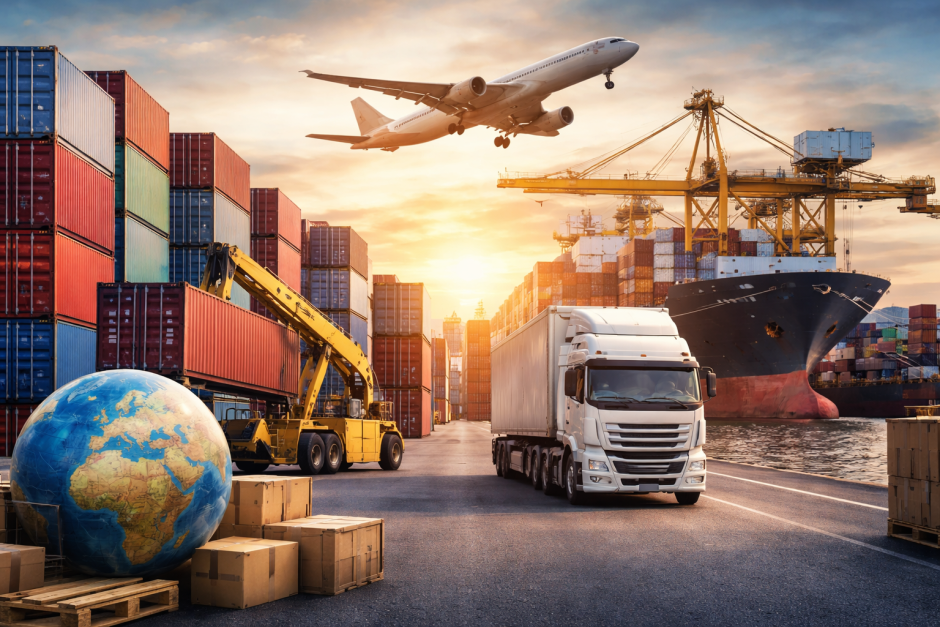
In the field of international cargo transportation, proper planning is often a decisive factor in business profitability. This is especially relevant for companies that organize cargo transportation from Europe to Armenia. Throughout the year, there are several seasons during which logistical mistakes can cost businesses thousands of euros in the form of delays, penalties, and customer dissatisfaction.
In this article, we will examine the three most dangerous seasons:
-
Black Friday
-
Year-end period
-
Construction season
as well as the key mistakes B2B companies make when they fail to properly plan cargo transportation from Europe to Armenia.
Why Seasonal Planning Is Critical on the Europe–Armenia Route
Cargo transportation from European countries such as Germany, France, Italy, Poland, the Czech Republic, and the Netherlands to Armenia involves routes crossing multiple countries, customs clearance procedures, transit borders, and weather-related risks.
An increase in seasonal cargo flow results in:
-
limited availability of trucks
-
higher transportation rates
-
congested border crossings
-
shortage of warehouse space
If businesses do not take these factors into account in advance, costs can rise sharply.
Season 1: Black Friday — Fast Profits, High Risks
Most Common Mistakes
The Black Friday period (November) is one of the busiest times for cargo transportation in Europe. Manufacturers and retail chains in Germany, Italy, and France ship large volumes simultaneously.
Key mistakes include:
-
ordering transportation at the last minute
-
focusing solely on price
-
choosing the wrong mode of transportation
Many companies attempt to save money by choosing road transportation without considering the long queues that may arise on routes such as Poland–Ukraine or Bulgaria–Georgia.
How to Avoid These Issues
-
Book transportation at least 3–4 weeks in advance
-
Consider multimodal solutions (sea + road)
-
Fix delivery deadlines in the contract
Season 2: Year-End — The Period of the Most Expensive Mistakes
The year-end period (December) is the most challenging time for logistics. In European countries such as Spain, Belgium, Austria, and the Netherlands, the number of non-working days increases, while customs services operate on limited schedules.
Common year-end mistakes:
-
failing to account for public holidays
-
incorrect documentation
-
accumulation of cargo in warehouses
For example, a shipment may leave Italy but get stuck in a transit country due to customs delays and reach Armenia only in January.
The Right Approach
-
Develop a year-end logistics plan as early as October
-
Work with experienced logistics partners
-
Check customs authorities’ working schedules in advance
Season 3: Construction Season — Increased Volumes and Competition
From spring to autumn, Armenia enters an active construction phase, and large volumes of construction materials are imported from Europe, particularly from Germany, Poland, the Czech Republic, and Italy.
The most costly mistakes during the construction season include:
-
ignoring the shortage of trucks
-
miscalculating cargo volumes
-
placing large shipment orders simultaneously
During the construction season, transportation rates often increase by 15–30%, and without proper planning, businesses are forced to pay significantly more.
Best Practices
-
Sign long-term contracts with carriers
-
Organize phased cargo deliveries
-
Properly manage warehousing in Armenia
Why These Mistakes Are So Costly for Businesses
Seasonal logistics mistakes lead to:
-
supply chain disruptions
-
contractual penalties
-
production downtime
-
loss of customer trust
In the B2B segment, even a single delayed shipment can damage long-term partnerships.
Planning cargo transportation from Europe to Armenia cannot be treated as a last-minute task. Black Friday, the year-end period, and the construction season require special attention, experience, and a well-calculated approach.
If a business aims to reduce risks and control costs, seasonal planning must become an integral part of its logistics strategy.
Proper planning today means a stable business tomorrow.
