
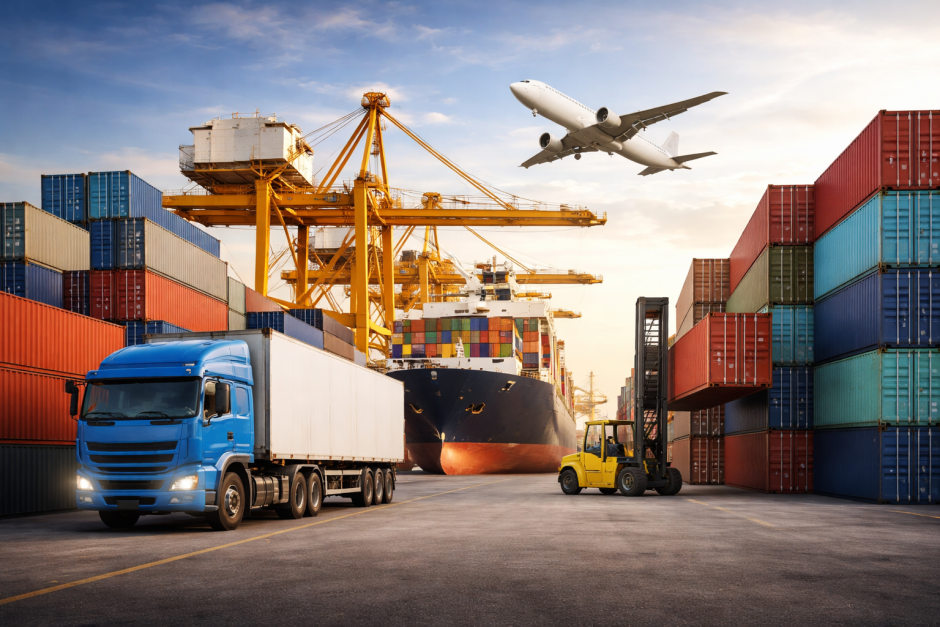
Today, one of the most important factors in business development and market expansion is the proper organization of international freight transportation. Whether it involves wholesale imports, the transportation of production raw materials, or the export of finished goods, international logistics is a complex, multi-layered process. It involves multiple countries, legal systems, modes of transport, and numerous partners.
However, the greater the opportunities, the greater the risks. International freight transportation can be accompanied by delays, financial losses, legal issues, and even the complete loss of cargo. Therefore, identifying and preventing risks is of critical importance for any business.
In this article, we will present the main risks associated with international freight transportation and practical solutions to help reduce them.
1. Documentation and Legal Risks
One of the most common problems in international freight transportation is incorrect or incomplete documentation. Each country has its own customs requirements, import restrictions, and documentation standards. Even a single error in an invoice or bill of lading can lead to serious consequences.
Possible consequences:
-
Cargo being held in a customs zone
-
Fines and additional charges
-
Delivery delays
-
Damage to business reputation
How to reduce the risk:
-
Work with an experienced logistics company that is well-versed in international documentation requirements
-
Review each country’s customs regulations in advance
-
Use standardized documents and checklists
-
Perform double-checks of all documentation before shipping
2. Logistics and Transportation Risks
During international freight transportation, cargo often travels long distances through multiple borders, warehouses, and transport modes. Throughout this entire supply chain, various physical risks may arise.
Possible risks:
-
Cargo damage due to improper packaging
-
Loss or theft
-
Transportation delays (weather conditions, technical issues, congestion)
-
Unreliable or negligent carrier performance
How to reduce the risk:
-
Choose reliable carriers with a proven track record
-
Use cargo tracking systems
-
Ensure proper packaging that complies with international standards
-
Plan delivery schedules with buffer time
3. Financial and Currency Risks
International shipments are almost always associated with payments in different currencies. Exchange rate fluctuations can have a significant impact on business costs, especially in the case of long-term contracts.
Examples of financial risks:
-
Sharp changes in exchange rates
-
Additional unforeseen service and transportation costs
-
Payment delays from partners
-
Increased bank fees
How to reduce the risk:
-
Calculate all potential costs in advance and include them in the budget
-
Use fixed-price contracts whenever possible
-
Cooperate with financial advisors on currency risk management
-
Clearly define payment terms and deadlines in contracts
4. Insurance Risks
Many businesses underestimate the importance of cargo insurance in an effort to reduce costs. However, a single damaged or lost shipment can result in financial losses many times greater.
Risks of not having insurance:
-
Loss of the full value of the cargo
-
Irrecoverable damages
-
Legal disputes with partners
How to reduce the risk:
-
Insure the cargo throughout the entire transportation route
-
Carefully review insurance policy terms
-
Ensure that the insurance coverage includes all possible risks
-
Retain all necessary documentation to file a claim in case of damage
5. Political, Economic, and Force Majeure Risks
International freight transportation is also influenced by external factors beyond a business’s control. Political instability, trade restrictions, or emergency situations can disrupt even the most carefully planned shipments.
Examples:
-
Border closures or tighter controls
-
Sanctions and import restrictions
-
Natural disasters
-
Military actions or political tensions
How to reduce the risk:
-
Conduct market and country risk analysis
-
Avoid reliance on a single supplier or country
-
Maintain alternative routes and transportation modes
-
Work with flexible logistics plans
International freight transportation is a powerful tool for business growth, but it requires thorough planning and conscious risk management. Documentation errors, logistics challenges, financial instability, and external factors can have a serious impact on your business if you are not prepared for them.
Choosing the right logistics partner, applying insurance solutions, controlling documentation, and implementing a flexible strategy help minimize risks and ensure stable international deliveries. As a result, businesses not only avoid losses but also build a reliable and competitive position in the global market.
International freight transportation is a vital pillar of business development, but its effective organization is only possible through proper risk management. Every stage—from documentation to final delivery—requires a professional approach and strict control. With reliable logistics partners, insurance solutions, and flexible strategies, businesses can reduce uncertainty and ensure stable and predictable supply chains. Well-organized international logistics not only minimizes losses but also strengthens a company’s position in the global market by creating long-term trust and growth opportunities.
