
When it comes to cargo shipments from Europe to Armenia, businesses aim to find the optimal solution—fast, secure, and cost-effective. There are two main shipment methods: Full Truck Load (FTL) and Groupage or Less Than Truck Load (LTL). This guide explains when each method is more advantageous, considering costs, delivery times, risks, and B2B logistics requirements.
What Are FTL and LTL?
Full Truck Load (FTL)
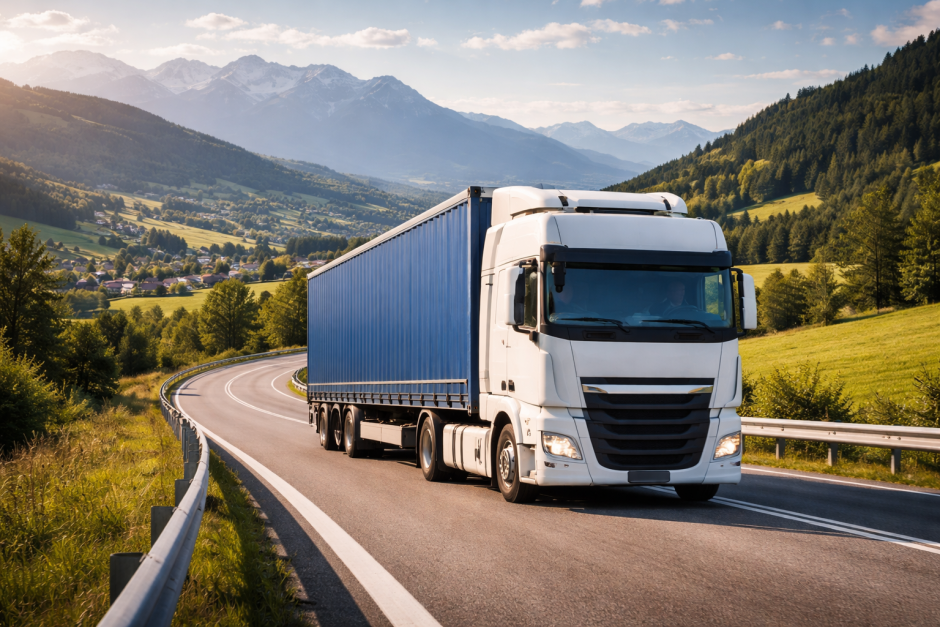
FTL means that an entire truck or container is dedicated to a single client’s cargo. Key characteristics include:
-
The truck is fully loaded for one client only
-
Delivery is typically direct, without intermediate stops
-
Higher cost for the entire truck, but lower cost per unit for large shipments
-
Fewer risks of damage, delay, or misrouting
FTL is particularly effective for shipments exceeding 10–12 tons, or when the cargo is sensitive or valuable.
Example: Shipping large industrial equipment from Germany to Yerevan. The entire truck is allocated to one client, ensuring fast and secure delivery.
Groupage / LTL (Less Than Truck Load)
LTL means that a single truck carries cargo from multiple clients.
-
Cargo is consolidated from several clients in one truck
-
Costs are shared, making it economical for smaller shipments
-
Delivery may take longer due to sorting at intermediate hubs
-
Higher risk of damage or delays
LTL is ideal for shipments of 1–10 tons, especially small or medium-sized orders.
Example: Shipping small shipments from Italy and France to multiple clients using a centralized logistics network.
FTL vs LTL Armenia: Key Differences
| Criteria | FTL | LTL |
|---|---|---|
| Cost per ton | Lower for large shipments | Lower for small shipments |
| Delivery speed | Direct route, no stops | Intermediate stops, sorting required |
| Risk | Controlled | Higher: damage, delay, misrouting |
| Flexibility | Fixed, planned route | Suitable for small or mixed shipments |
| B2B suitability | Large B2B shipments | Small to medium B2B shipments |
This table clearly shows when FTL or LTL is the better choice.
When to Choose FTL from Europe to Armenia
1. Large shipment volumes
-
For orders over 10–12 tons, FTL is more cost-effective.
-
Lower cost per unit, as intermediate consolidation is avoided.
2. Sensitive or high-value cargo
-
Expensive equipment or technical components.
-
FTL provides a direct and controlled route.
3. Fast delivery
-
Direct route without intermediate stops.
-
Typically 5–7 working days from Germany to Yerevan (land transport).
4. Simple documentation
-
All paperwork is consolidated for one client, simplifying customs procedures and reducing the risk of errors.
When to Choose LTL from Europe to Armenia
1. Small shipments
-
For orders under 10 tons or less than 40 cubic meters, LTL is more economical.
-
Example: Small deliveries from France to multiple clients.
2. Budget constraints
-
LTL allows costs to be shared among multiple clients.
3. Flexible routing
-
Intermediate consolidation from multiple countries: Italy, Belgium, Hungary.
-
Suitable for smaller shipments with monthly deliveries.
4. Standard, non-sensitive goods
-
FMCG, construction materials, and other durable goods.
Cost Examples
Germany → Armenia, 15 tons of equipment
-
FTL: 1 truck, direct route, 5–6 working days, cost €4500–5000
-
LTL: 2–3 smaller trucks, intermediate consolidation, 8–10 days, cost €4800–5200 (higher risk and delays)
Italy → Armenia, 4 tons of cargo
-
FTL: half truck, cost €3500
-
LTL: consolidated cargo, 5–6 days, cost €1800–2000
These examples show that FTL is more efficient for large shipments, while LTL is better for smaller orders, saving costs.
Risks and B2B Logistics Tips
1. Risk of damage and delays
-
LTL involves more intermediate stops → higher risk.
-
FTL ensures controlled conditions, particularly for sensitive goods.
2. Cargo insurance
-
Especially important for LTL, since additional handling increases risk.
3. Customs procedures
-
FTL: one client, one route → simpler documentation
-
LTL: proper documentation required for each client
4. Cost planning and predictability
-
FTL offers predictable costs
-
LTL may have unexpected expenses due to consolidated shipments
European Examples
-
Germany – FTL is common for technical equipment
-
Italy – LTL is widely used for small shipments
-
France, Belgium, Hungary – Medium shipments often shipped via LTL to save costs
European companies often offer combined solutions based on shipment weight, cargo type, and cost efficiency.
How to Choose the Right Option
-
Analyze cargo weight and volume
-
Calculate cost per ton or cubic meter
-
Determine cargo type (sensitive or standard)
-
Consider delivery time and intermediate stops
-
Choose appropriate insurance and prepare documentation
-
FTL vs LTL Armenia: Choice depends on shipment size, cargo sensitivity, delivery time, and budget.
-
FTL – best for large shipments, fast and secure, direct route for one client
-
LTL – suitable for small and medium shipments, cost-effective but higher risk and intermediate stops
-
B2B companies must assess costs, risks, and timing to select the optimal shipping solution.
Remember, land freight from Europe to Armenia requires careful planning, insurance, and proper documentation. Regardless of choosing FTL or LTL, it is crucial to build a clear, predictable, and secure logistics chain for your business.
